Searching for Zancanelli Lesão? Explore Archangel Gabriel Context
In the vast landscape of online searches, specific queries can sometimes lead to unexpected paths. If you’ve landed here searching for gabriel zancanelli lesão, you might be looking for a very particular piece of information. Interestingly, traditional biblical and theological texts widely recognized for their content on the venerable Archangel Gabriel do not contain any reference to the phrase "Zancanelli Lesão." This article aims to clarify this discrepancy, providing context for what your search might entail, and subsequently delving into the profound and universally recognized history and significance of the Archangel Gabriel.
The term "lesão" in Portuguese translates to "lesion" or "injury" in English. When combined with a unique surname like "Zancanelli," it strongly suggests a search for information related to a specific individual named Gabriel Zancanelli who may have suffered an injury or medical condition. It's crucial to understand that such personal or highly specific details are distinctly separate from the narrative surrounding the Archangel Gabriel, a revered figure across Abrahamic religions. Our goal here is not to speculate on any individual named Gabriel Zancanelli but rather to address the information gap for those who might be conflating this specific query with the broader, more spiritual context of the Archangel.
Unpacking the Search Query: "Gabriel Zancanelli Lesão" and Its Absence
When a search query like gabriel zancanelli lesão is entered, an internet user is typically looking for direct information related to that exact phrase. However, as noted in various reputable sources, including extensive religious databases and biblical concordances, the Archangel Gabriel's story, attributes, and scriptural appearances contain no mention of "Zancanelli" or "lesão." This is a significant point of divergence that highlights a potential misunderstanding or a search for information that exists entirely outside the religious domain of the Archangel.
The Archangel Gabriel is primarily known as a divine messenger, a celestial being whose narrative is deeply embedded in sacred texts. His interactions are with prophets, saints, and the Virgin Mary, not with individuals bearing modern surnames or suffering from physical "lesões." Therefore, any expectation of finding details about a "Gabriel Zancanelli Lesão" within the context of Archangel Gabriel's theological discussions would naturally lead to a dead end. For those interested in understanding why information on this specific term isn't found in spiritual texts, we recommend exploring resources like Gabriel Zancanelli Lesão: Not Found in Archangel Gabriel Texts and Understanding Gabriel Zancanelli Lesão vs. Archangel Gabriel Content.
So, what does this mean for your search? It suggests that if you are indeed looking for an individual named Gabriel Zancanelli and an injury or condition ("lesão") associated with them, your search should likely focus on news archives, sports databases, medical reports, or social media platforms, rather than religious or theological sites dedicated to angels. The confluence of "Gabriel" with "Zancanelli Lesão" points toward a human, contemporary context, not a biblical or angelic one.
Who is Archangel Gabriel? A Divine Messenger Explored
Having clarified the distinction, let's turn our attention to the revered figure whose name, Gabriel, is known worldwide: the Archangel Gabriel. Far from being associated with personal injuries or specific modern surnames, Archangel Gabriel holds a pivotal role as a divine messenger in Judaism, Christianity, and Islam. The name "Gabriel" itself is Hebrew, meaning "God is my strength" or "God is my hero," perfectly encapsulating his powerful and significant duties.
Gabriel is consistently depicted as an angel of high rank, often appearing at critical junctures in human history to deliver messages of profound importance and revelation. His appearances are moments of divine intervention, signaling new beginnings, prophecies, and world-altering events. He is not merely a messenger but often an interpreter of visions and a herald of extraordinary news.
Gabriel in Christian Scripture: The Annunciations
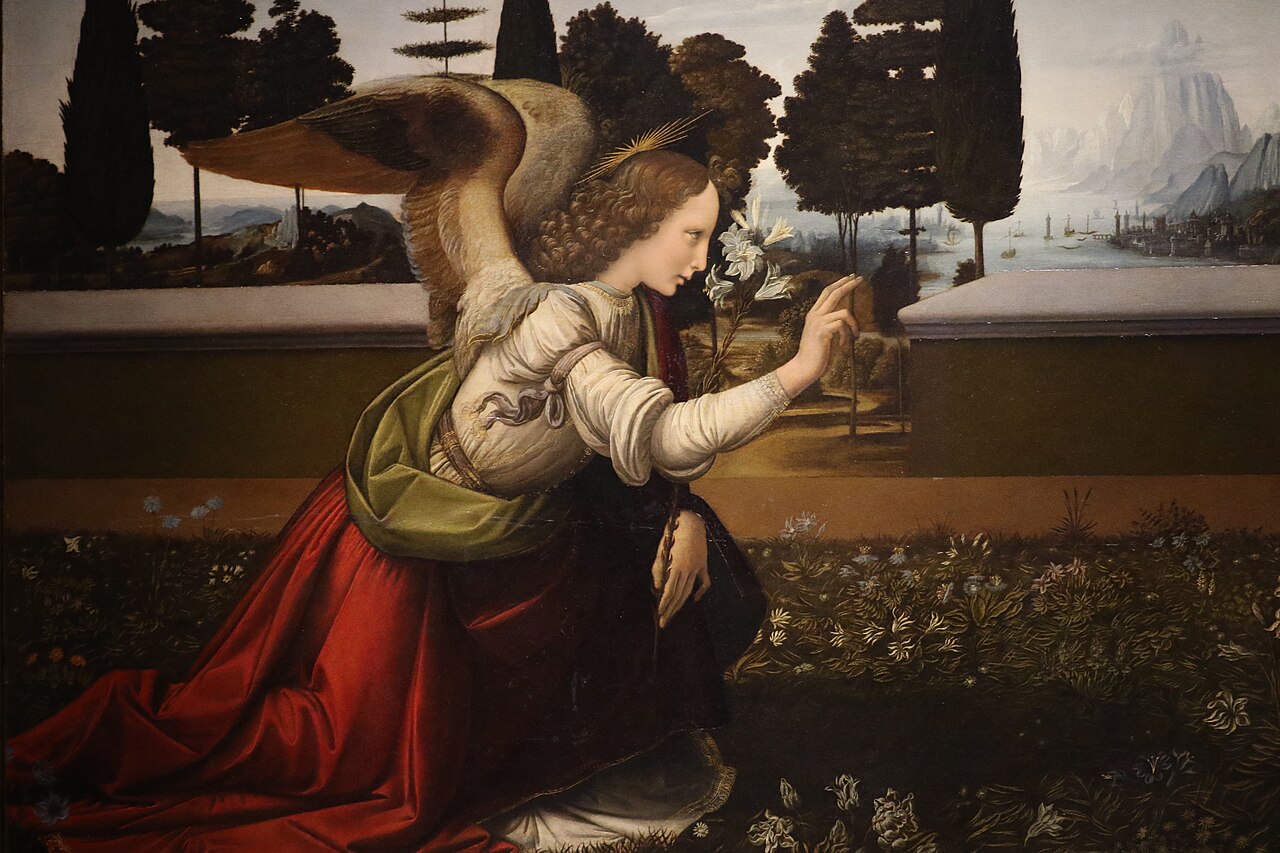
In Christian tradition, Archangel Gabriel is most famously associated with the Annunciation. As narrated in the Gospel of Luke, Gabriel appears to two individuals to deliver news of miraculous births:
- To Zechariah: Gabriel first appears to Zechariah, a priest, while he is serving in the temple. Gabriel announces that Zechariah's barren wife, Elizabeth, will conceive a son who is to be named John (later known as John the Baptist), and who will "go on before the Lord, in the spirit and power of Elijah" (Luke 1:17). When Zechariah expresses doubt due to his and Elizabeth's old age, Gabriel declares, "I am Gabriel. I stand in the presence of God, and I have been sent to speak to you and to tell you this good news" (Luke 1:19). As a sign and a consequence of his disbelief, Zechariah is struck mute until John's birth.
- To the Virgin Mary: Six months later, Gabriel is sent by God to Nazareth, to a virgin named Mary, who was betrothed to Joseph. He greets her with the words, "Greetings, you who are highly favored! The Lord is with you" (Luke 1:28). Gabriel then delivers the astonishing news that Mary will conceive a son by the Holy Spirit, and this son "will be great and will be called the Son of the Most High... and he will reign over Jacob’s descendants forever; his kingdom will never end" (Luke 1:32-33). This pivotal event, known as the Annunciation, marks the incarnation of Jesus Christ.
These accounts solidify Gabriel's image as the primary divine herald, entrusted with conveying the most joyous and significant news from God to humanity. His role is not one of healing injuries, but of revealing divine will and purpose.
Gabriel Beyond Christianity: Judaism and Islam
- In Judaism: Gabriel appears in the Old Testament, particularly in the Book of Daniel. He interprets Daniel's visions concerning the future of Israel and the coming of the Messiah. In Daniel 8, he explains the vision of the ram and the goat, and in Daniel 9, he delivers a prophecy about the seventy weeks, foretelling the time of the Messiah. These appearances underscore his role as an interpreter of prophecy and a revealer of God's plans.
- In Islam: Known as Jibrīl (or Jibrail), Gabriel is considered one of the foremost archangels, second only to God. He is believed to be the principal angel through whom God revealed the Quran to the Prophet Muhammad. Jibrīl is revered as the spirit of truth, responsible for conveying divine messages and revelations, making him a central figure in Islamic theology and scripture.
Why the Discrepancy? Understanding Search Intent and Information Gaps
The significant divergence between searching for gabriel zancanelli lesão and finding information on Archangel Gabriel highlights several common aspects of online information retrieval and human curiosity:
- Specificity vs. Generality: "Gabriel Zancanelli Lesão" is highly specific, likely referring to a contemporary individual. "Archangel Gabriel" is a general, ancient, and widely recognized religious figure. Search engines often try to bridge gaps by suggesting related, more general topics if specific queries yield no direct results.
- Keyword Overlap: The common name "Gabriel" is the only direct overlap. The search algorithm might prioritize the more prominent figure associated with "Gabriel" (the Archangel) when the full, specific string "Zancanelli Lesão" does not produce relevant results in its primary index.
- Misinformation or Niche Information: It's possible that the "Gabriel Zancanelli Lesão" query refers to extremely niche information not widely indexed online, or perhaps even a piece of misinformation. When faced with such a query, providing broad, authoritative content on the most recognized "Gabriel" (the Archangel) becomes a way to offer value and information.
- Learning Opportunity: Such a search can be an opportunity for users to discover the rich history and cultural significance of the Archangel Gabriel, perhaps prompting further exploration into religious studies or mythology.
For those performing highly specific searches, it's always helpful to refine your query, add more context, or try different keywords if the initial results are not relevant. For instance, adding location, profession, or specific dates could help narrow down searches for individuals.
The Enduring Significance of Archangel Gabriel
Despite the lack of connection to "Zancanelli Lesão," the Archangel Gabriel's significance remains profound and enduring across cultures and centuries. He represents more than just a biblical character; he is a symbol of:
- Divine Communication: Gabriel embodies the direct link between the divine and humanity, serving as God's primary messenger of critical revelations. His appearances signify moments of profound spiritual importance.
- Hope and New Beginnings: The messages Gabriel delivers often herald new life, miraculous births, and the dawn of new eras, instilling hope and faith in those who receive them.
- Strength and Authority: As "God is my strength," Gabriel's name itself speaks to the divine power and authority he wields, always acting with purpose and conviction.
- Inspiration in Art and Literature: Gabriel's story has inspired countless works of art, literature, and music, from Renaissance paintings depicting the Annunciation to modern hymns and poems, underscoring his lasting cultural impact.
- Patronage: In some traditions, Archangel Gabriel is revered as the patron saint of messengers, telecommunication workers, postal workers, and broadcasters, due to his role as a divine communicator.
The narratives surrounding Gabriel offer profound insights into faith, obedience, and the mysterious ways in which divine will interacts with human experience. His legacy is one of bringing clarity, purpose, and ultimately, salvation to humanity through the messages he carries.
Conclusion
In conclusion, while your search for gabriel zancanelli lesão may not yield direct results within the context of Archangel Gabriel's biblical and religious narratives, it opens the door to understanding a fascinating information gap. The Archangel Gabriel is a pivotal figure in theological history, renowned as a divine messenger of truth and revelation across major world religions. His story is rich with profound meaning, far removed from personal injuries or modern surnames. We hope this comprehensive exploration has clarified the distinction between a specific contemporary query and the timeless spiritual legacy of the Archangel Gabriel, offering valuable insights into both the mechanics of online searches and the enduring significance of this celestial being.